
Month: March 2026
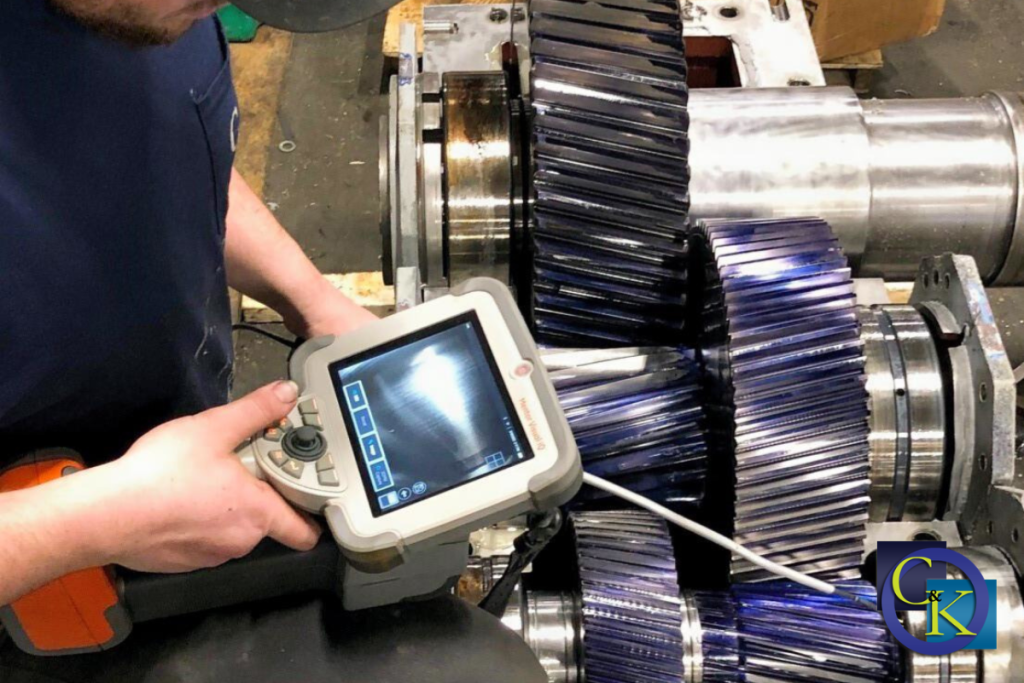
Preventive vs Predictive Maintenance: What’s the Difference?
Preventive maintenance means performing scheduled maintenance tasks at regular intervals, whether that’s every 90 days, every 1,000 operating hours, or after a set number of cycles. The equipment might be running fine, but you service it anyway because the schedule says it’s time. Predictive maintenance takes a different approach. It uses real-time data from sensors…
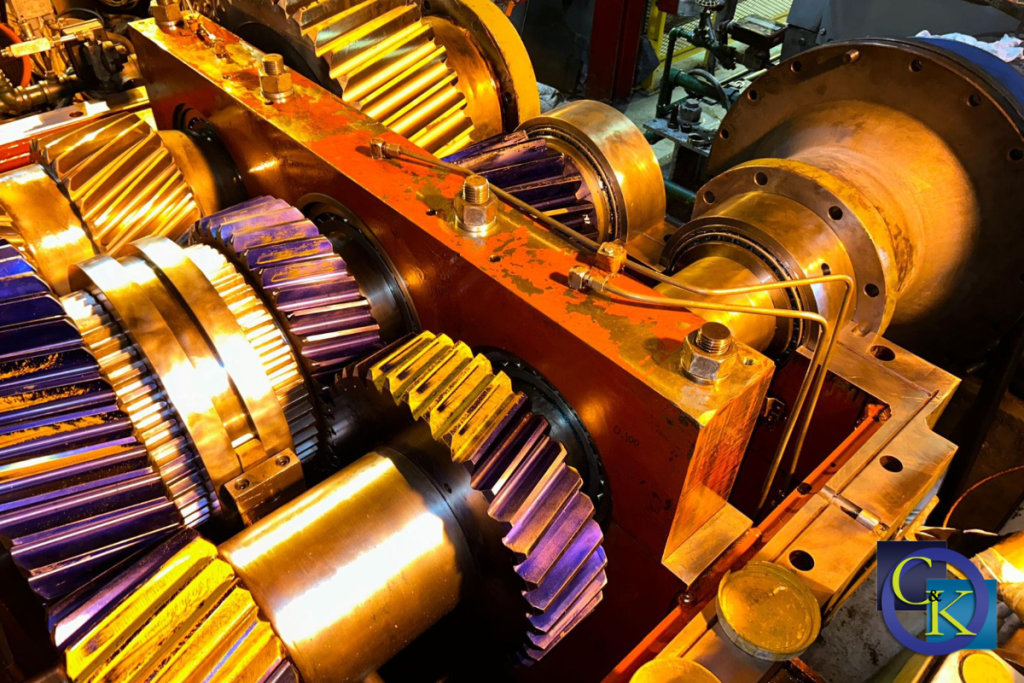
What Makes a Quality Gearbox Repair?
A quality gearbox repair comes down to a few things: accurate diagnostics, skilled technicians, the right replacement parts, and a repair facility with the machining capabilities to handle the job correctly. When an industrial gearbox goes down, you need more than a quick fix. You need a team that can identify the root cause of…
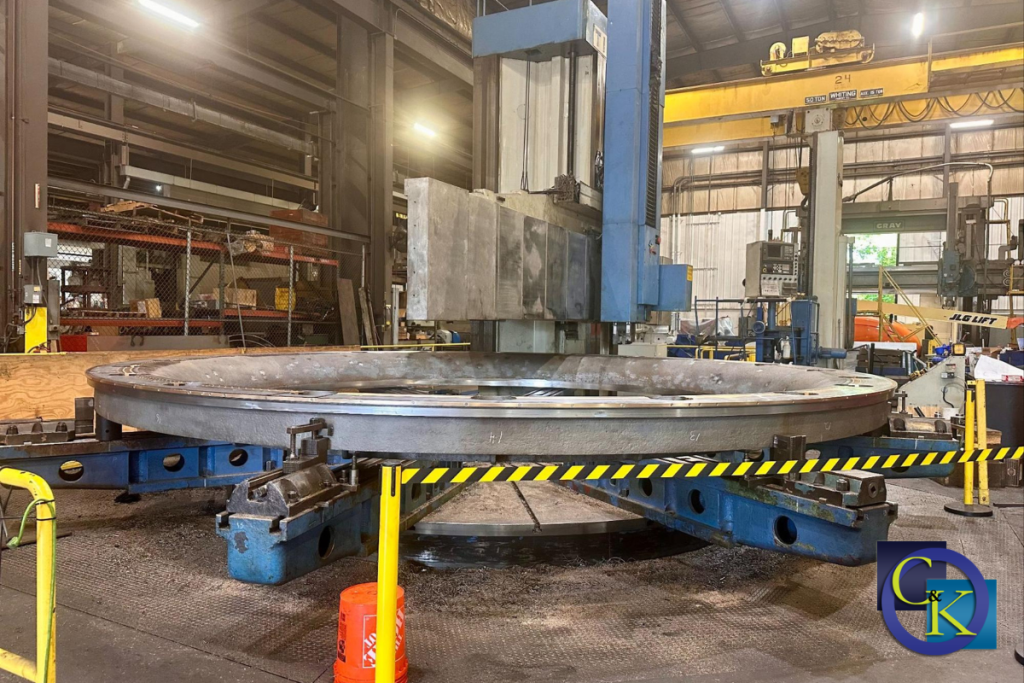
What Is Heavy Machining? The Role of Heavy Machining in Industrial Equipment Manufacturing & Repair
Short answer: Heavy Machining, sometimes referred to as large part machining, is a subtractive manufacturing process where stock material, typically metal, is removed from a component that exceeds the size and/or weight thresholds of standard machine tools. These components, often made from steel, stainless steel, or specialty alloys, weigh upwards of 5 Tons (10,000 lbs.)…
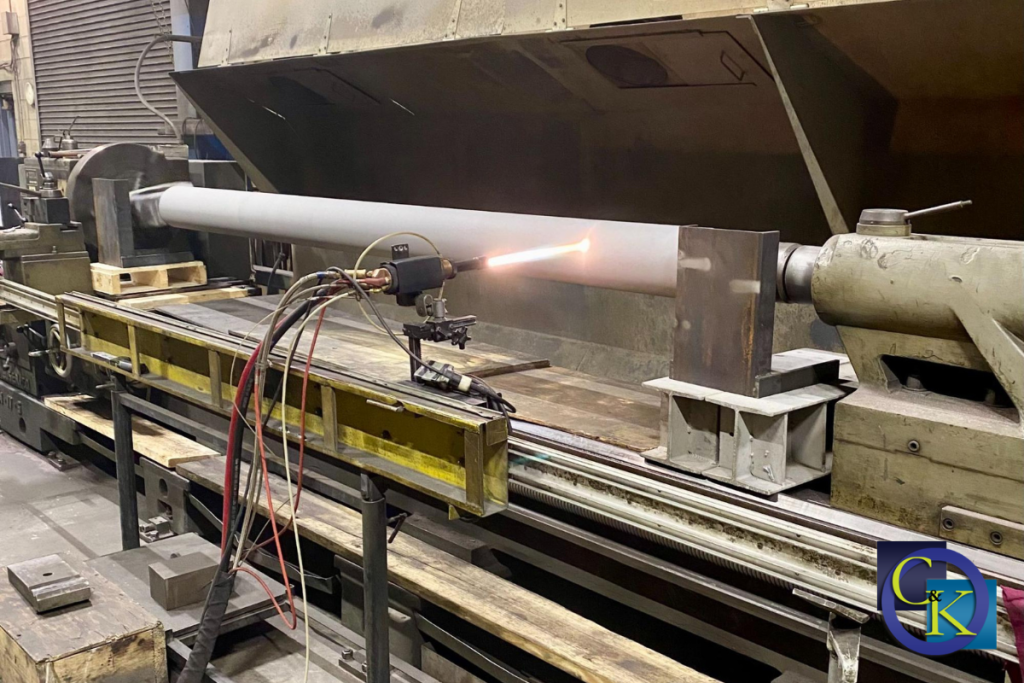
Subtractive vs Additive Manufacturing: What’s the Difference?
Short Answer: Manufacturing has come a long way since the industrial revolution, but two fundamental approaches still define how parts get made. Subtractive manufacturing removes material from a solid block to achieve a desired shape. Additive manufacturing, on the other hand, builds parts layer by layer from a raw material. Both are valuable, but each…